- Free Consultation: (303) 832-2655 Tap Here to Call Us


Chapter 7 vs. Chapter 13 Bankruptcy: Which One Is Right for You in 2026?


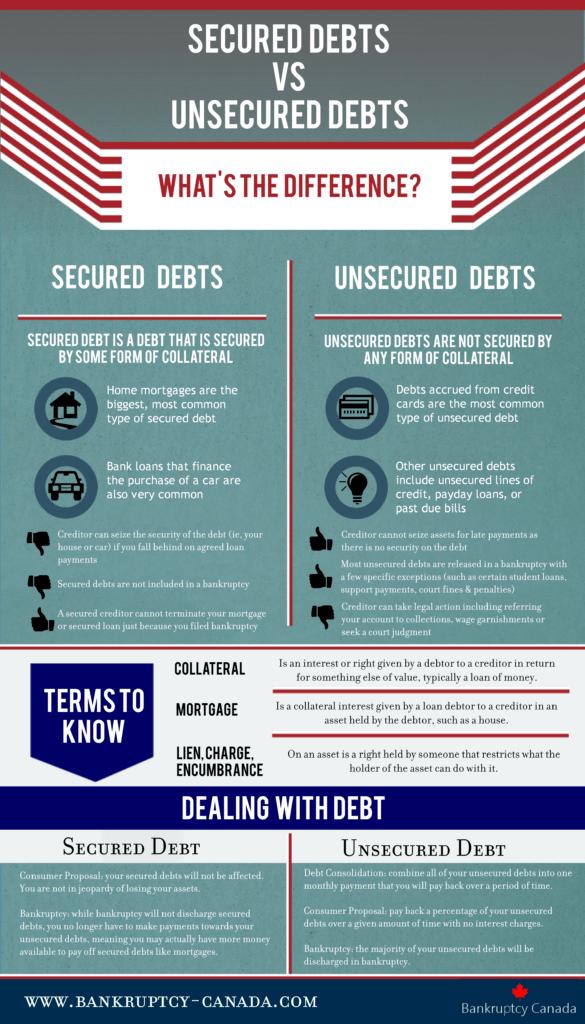
If debt has become unmanageable, you’ve probably already searched “Chapter 7 vs Chapter 13 bankruptcy” more than once. Both chapters can stop collection calls, wage garnishments, and lawsuits — but they work in fundamentally different ways, and choosing the wrong one can cost you time, money, or property you were hoping to keep.
As a Colorado bankruptcy attorney and former U.S. Bankruptcy Court Chapter 7 Trustee, I’ve reviewed thousands of cases from the inside of the system, not just the outside. Here’s a straightforward, 2026-updated breakdown of how each chapter works, who qualifies, and how to think through the decision.
Quick Answer: The Core Difference
- Chapter 7 is a liquidation bankruptcy. Most filers keep everything through exemptions, and eligible debts are wiped out in about 3–4 months. There’s no repayment plan.
- Chapter 13 is a reorganization bankruptcy. You keep your property and repay some or all of your debts through a court-approved plan lasting 3 to 5 years.
The chapter that’s “right” for you depends on your income, what you own, what you owe, and what you’re trying to protect — most often, a house or a car you’re behind on.
Chapter 7 Bankruptcy: The Basics
Chapter 7 is often called “straight” or “liquidation” bankruptcy. A trustee is appointed to your case, non-exempt assets (if any) are sold to pay creditors, and most unsecured debts — credit cards, medical bills, personal loans, old utility bills — are discharged.
Key features of Chapter 7 in 2026:
- Speed. Most Chapter 7 cases discharge in roughly 90–120 days from filing.
- No repayment plan. You aren’t required to pay back unsecured creditors.
- Exemptions matter most. Colorado’s exemption laws determine what property is protected. Most filers with a modest home, one or two vehicles, and typical household goods keep everything.
- The means test. You must qualify based on income (more on this below).
Chapter 7 tends to make sense if:
- Your income is at or below the Colorado median for your household size
- You don’t have significant non-exempt equity in your home or other property
- You’re current on your mortgage or car loan (or willing to surrender them)
- You want the fastest possible path to a discharge
Chapter 13 Bankruptcy: The Basics
Chapter 13 is a repayment plan bankruptcy for individuals with regular income. You propose a plan — typically 3 to 5 years — to pay creditors from future income, and the plan must be confirmed by the bankruptcy court.
Key features of Chapter 13 in 2026:
- You keep your property. This is the biggest reason people choose Chapter 13 over Chapter 7.
- Catch up on secured debt. Behind on your mortgage or car payment? Chapter 13 lets you cure the arrearage over the life of the plan while you keep the collateral.
- No hard income ceiling. Unlike Chapter 7, there’s no median-income cutoff — but there are debt limits (below).
- Longer timeline. Discharge doesn’t happen until the plan is complete, generally 3–5 years later.
- Stops foreclosure and repossession immediately upon filing, through the automatic stay.
Chapter 13 tends to make sense if:
- You’re behind on your mortgage and want to keep your home
- Your income is above the Colorado median and you don’t pass the Chapter 7 means test
- You have non-exempt equity you want to protect by paying its value into a plan instead of losing the asset
- You have debts that survive Chapter 7 (certain taxes, some domestic support arrears) that you need structured time to pay
- You’ve filed Chapter 7 too recently to file again (see timing rules below)
The 2026 Means Test: Do You Qualify for Chapter 7?
The means test under 11 U.S.C. § 707(b)(2) is the first gatekeeper. Here’s how it works in plain terms:
- Compare your income to the Colorado median. The U.S. Trustee Program publishes median family income figures by household size, updated every April and November using Census Bureau data. If your average monthly income over the prior six months, annualized, falls at or below Colorado’s median for your household size, you pass the means test automatically and may file Chapter 7.
- If you’re above median, expenses come into play. You move to Part 2 of the means test, which allows deductions for IRS-standard living expenses, secured debt payments, taxes, and certain other obligations. Many above-median filers still qualify for Chapter 7 after these deductions.
- If you don’t pass, Chapter 13 becomes your path — or you may still have options depending on the type of debt you carry (the means test only applies to filers whose debts are primarily consumer debts).
Because the median income figures and IRS expense standards change twice a year, the exact numbers that applied when a friend or relative filed may not apply to your case today. This is not a do-it-yourself calculation — the current chart in effect on your filing date controls, and household size, income sourcing, and deductions all have specific legal definitions that affect the outcome.
Chapter 13 Debt Limits in 2026
Chapter 13 isn’t available to everyone regardless of income — there are statutory debt ceilings under 11 U.S.C. § 109(e). As of the most recent inflation adjustment (effective April 1, 2025, through March 31, 2028), the limits are separate for secured and unsecured debt, in the low seven figures combined. There is active, bipartisan legislation pending in Congress that would raise and simplify these limits into a single combined threshold — worth watching if you’re near the current ceiling, particularly if a large mortgage is what’s pushing you over. If your debt exceeds these limits, Chapter 11 becomes the fallback option, though it’s considerably more complex and expensive.
What Happens to Your Property?
This is usually the deciding factor for Colorado filers.
In Chapter 7: Colorado’s exemption statutes protect a set amount of equity in your home, vehicle, tools of trade, retirement accounts, and personal property. If your equity in an asset exceeds the exemption, the trustee can sell it and pay you the exempt portion — but for the large majority of filers with average equity levels, everything is protected and nothing is sold.
In Chapter 13: You keep everything, exempt or not — but if you have non-exempt equity, your plan must pay creditors at least as much as they’d have received in a hypothetical Chapter 7 (the “best interests of creditors” test). This is often why higher-equity homeowners or business owners choose Chapter 13 even when they might technically pass the Chapter 7 means test.
Cost and Timeline Comparison
| Chapter 7 | Chapter 13 | |
| Typical duration | 3–4 months to discharge | 3–5 years to discharge |
| Repayment required | No | Yes, per court-approved plan |
| Court filing fee | Lower, one-time | Lower, one-time (plus ongoing trustee fee) |
| Attorney fees | Often paid up front or shortly after filing | Frequently paid through the plan over time |
| Credit report impact | Stays 10 years from filing | Stays 7 years from filing |
| Best for | Unsecured debt with no major assets at risk | Saving a home, curing arrears, above-median income |
Common Situations and Which Chapter Usually Fits
- Behind on your mortgage, want to keep the house: Chapter 13
- Overwhelmed by credit card and medical debt, income is modest, no major assets: Chapter 7
- Recent Chapter 7 discharge, need protection again: You generally must wait 8 years for another Chapter 7 discharge, but may qualify for Chapter 13 sooner (timing rules are technical and case-specific)
- Facing repossession on a vehicle you need: Chapter 13, to cure the default and keep the car
- Self-employed or business owner with irregular income: Often Chapter 13, though eligibility depends on the “regular income” requirement
- Co-signer on a loan you want to protect from collection: Chapter 13’s co-debtor stay offers protection Chapter 7 does not
Why This Decision Deserves an Attorney’s Eyes
I spent years administering cases as the Trustee -seeing firsthand which decisions held up and which ones backfired. The means test, exemption planning, and debt-limit calculations all involve fact-specific legal judgment calls that generic calculators can’t replicate. Filing the wrong chapter, or filing correctly but with an avoidable mistake, can mean losing property you could have kept or paying years longer than necessary.
Talk to a Colorado Bankruptcy Attorney Before You File
Every financial situation is different, and the “right” chapter depends on numbers and facts unique to your household. If you’re weighing Chapter 7 vs. Chapter 13 bankruptcy in Colorado, schedule a consultation to review your income, assets, and goals before you file anything.
Contact LONG & LONG P.C. today AT 303-832-2655 or use the contact link to schedule your FREE confidential consultation.
Frequently Asked Questions
Can I switch from Chapter 13 to Chapter 7 after filing? Yes, in most cases you can convert your case from Chapter 13 to Chapter 7 if your circumstances change, subject to certain restrictions and court approval.
Will I lose my house if I file Chapter 7? Not necessarily. If you’re current on your mortgage and your home equity is within Colorado’s exemption limits, you can typically keep your home in Chapter 7. If you’re behind on payments, Chapter 13 is usually the better path to keep the property.
How do I know if I pass the means test? It depends on your household income compared to Colorado’s current median figures for your household size, plus allowed expense deductions if you’re above median. These figures change twice a year, so an accurate answer requires checking the chart in effect on your filing date.
Does bankruptcy stop wage garnishment? Yes. Filing either Chapter 7 or Chapter 13 triggers the automatic stay, which immediately stops most wage garnishments, collection calls, and lawsuits.
Is Chapter 13 better than debt settlement? It depends on the type and amount of debt, your assets, and whether you’re trying to stop a foreclosure or repossession. Chapter 13 offers court-enforced protection that private debt settlement doesn’t provide, but it’s a longer commitment.
This article is for general informational purposes only and does not constitute legal advice. Bankruptcy law is fact-specific, and outcomes depend on your individual circumstances. Contact our office to discuss your situation directly.
Contact Us
Fill out the contact form or call us at (303) 832-2655 to schedule your free consultation.


